
Taking Moral Inventory: A Guide to Mindful Living
Introduction: The Mirror We Avoid
We’ve all had that moment in front of the mirror, spotting a wrinkle or a stubborn hair. But there’s another kind of mirror we rarely face: the moral mirror. It doesn’t reflect our appearance but our choices. Taking a moral inventory isn’t about guilt or punishment it’s about clarity, self-awareness, and mindful living.

"A quiet reflection in the mirror, framed by nature a symbolic moment of inner stillness. This image captures the essence of mindful self-inquiry: looking inward not to judge, but to witness, soften, and understand. Just as the mirror reflects what’s present, this guide invites you to see yourself with gentle clarity."
This practice, rooted in Buddhist tradition, focuses on five areas: harming others, stealing, sexual misconduct, lying, and intoxication. Think of them not as rigid rules but as aspirations that guide us toward compassion and balance. Let’s explore how each vow shows up in everyday life, and how practicing them can lead to greater clarity and happiness.
The Weight of Harm: Learning to Tread Lightly
We all know the sting of words spoken in anger. A friend once told me about snapping at his child after a long day. Though unintentional, the harm lingered.
The first vow is to refrain from harming others, physically, emotionally, or even through thoughtless actions. Anger, fear, and frustration cloud judgment and reinforce negativity. While perfection is impossible, awareness is key. Mindfulness is a cycle: act, notice, reflect, and recommit. The goal isn’t guilt, but gentleness.
The Quiet Thief in All of Us: Beyond Taking Things
Picture this: you’re in a meeting, and you rephrase a colleague’s idea. Everyone nods at you, while your colleague stays silent. That’s stealing, even if nothing tangible was taken.
The second vow, not to steal, extends beyond material goods. It includes stealing time, attention, credit, or even digital content. Stealing arises from greed and the restless desire for more. Honesty, by contrast, lightens us. Even when unseen, integrity builds a trustworthy and uncluttered character.
Desire, Speech, and Intoxication: The Subtle Disruptors
Misuse of Sexuality: When Desire Clouds the Mind
A friend once sought happiness in relationships, believing each new partner would “fix the emptiness.” The pattern repeated: intensity, obsession, disappointment. The craving itself, not the people, was the problem.
The third vow is to use sexuality responsibly, approaching intimacy with care rather than craving. Desire, when unchecked, leads to harm and obsession. Mindful sexuality fosters respect, compassion, and connection.
False Speech: The Power of Words That Stick
We’ve all told a “harmless” lie to avoid conflict. Yet even small lies erode trust and clutter our minds.
The fourth vow is to avoid false speech, lies, gossip, harsh words, or idle chatter. Mindfulness in speech means pausing and asking: Is this true? Is it necessary? Is it kind? Clear and compassionate communication protects relationships and cultivates inner calm.
Intoxication: Guarding the Gate of the Mind
Modern intoxication isn’t just alcohol. It’s endless scrolling, binge, watching, overeating, anything that clouds clarity. One evening of mindless news scrolling left me anxious and drained.
The fifth vow is to refrain from intoxication in all its forms. The antidote is awareness. Choosing what we consume, media, food, or drink, is an act of self-respect. Protecting the mind creates space for presence and clarity.
Returning to the Mirror
Taking a moral inventory is not about obsessing over flaws but about cultivating awareness. Try dedicating one day each week to reflect on each vow:
Monday: non-harming
Tuesday: honesty with possessions and time
Wednesday: responsible sexuality
Thursday: mindful speech
Friday: awareness of consumption
By week’s end, you’ll gain insights, not as judgment, but as self-awareness. The practice isn’t about perfection. It’s about noticing, letting go, and trying again. That act of recommitment is mindfulness.
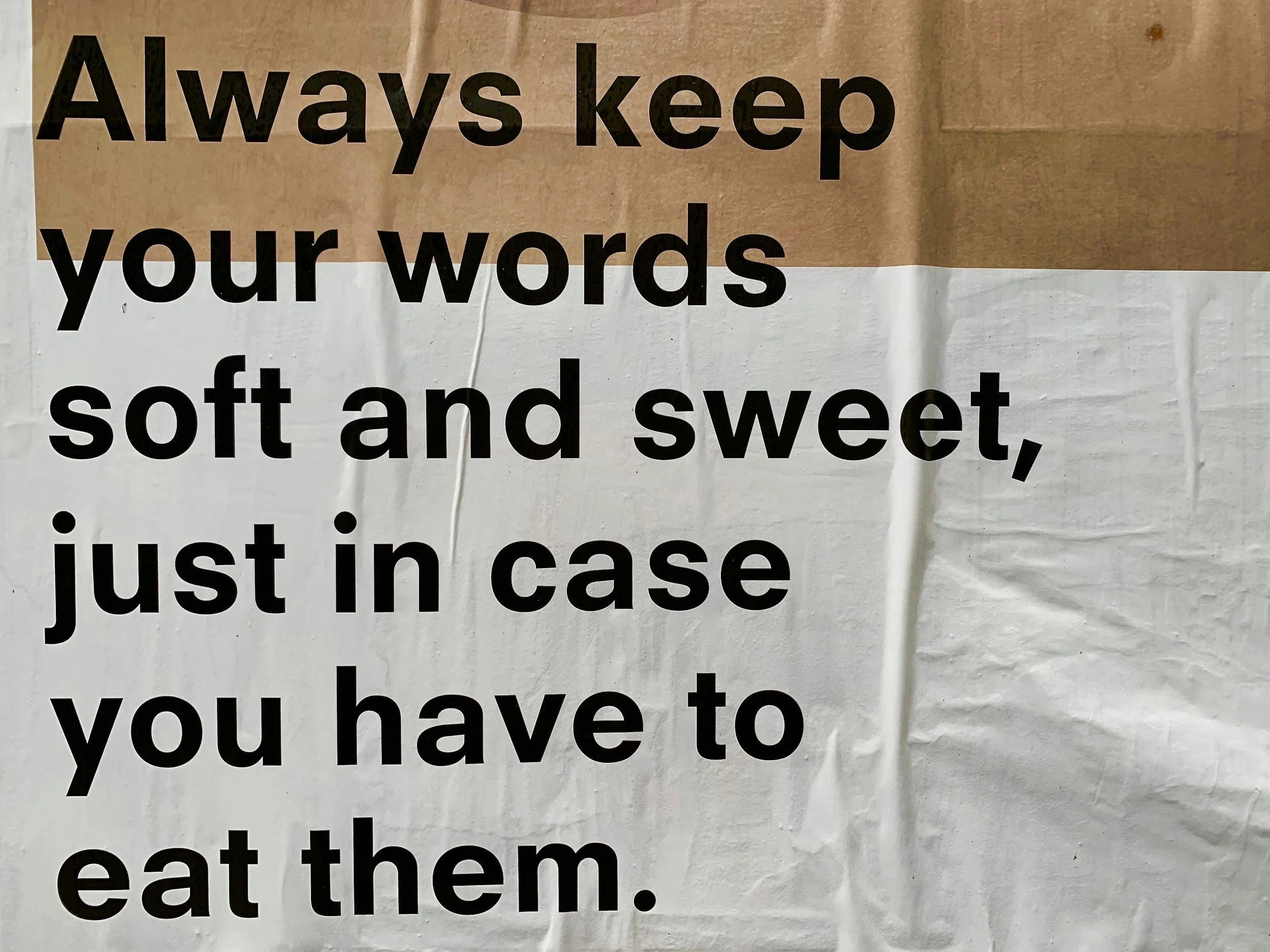
"Poster with the quote: 'Always keep your words soft and sweet, just in case you have to eat them.'"